


Useful Info

Sharing by Professionals
Causes And Treatment For Neck Pain
" Some people are particularly prone to suffer from shoulder and neck pain.
What exactly is neck pain? How can it be alleviated and prevented? "
Article:Ms. Liang Mei Ching Mavis
MSc Physiotherapy – Manul Therapy (University of Queensland)
BSc Physiotherapy (Hong Kong Polytechnic University)
Causes
Neck pain usually occurs in the neck or upper back and can range from localised pain in the shoulder or neck, or extending into the forearms and fingers. People with neck pain may feel a sharp, stabbing or dull pain in the area, along with headaches, shoulder pain and numbness or tingling in the arms. Acute neck pain usually lasts no longer than 6 weeks. Any neck pain that lingers for over 3 months, however, would be regarded as chronic pain.
There are a variety of factors attributing towards neck pain, including but not limited to: degeneration, overuse or incorrect usage of muscles, poor posture, trauma or injury, sprain or strain, ligament or muscle tears, prolapsed intervertebral disc, joint problems, imbalanced back muscle strength and poor abdominal core muscle control, or even caused by medical diseases such as ankylosing spondylitis, osteoporosis, tumors or infections. Studies have also suggested that psychological factors including stress and anxiety could be a contributing factor.
Affected Demographic
While it’s a common misconception that only adults and elderly people experience neck pain, people of any age can experience it due to injuries, trauma or poor posture. Neck pain affects an approximate 10% to 20% of adults according to statistics, with studies concluding that women are more prone to experiencing it.
" Below are the most commonly found symptoms of neck pain "
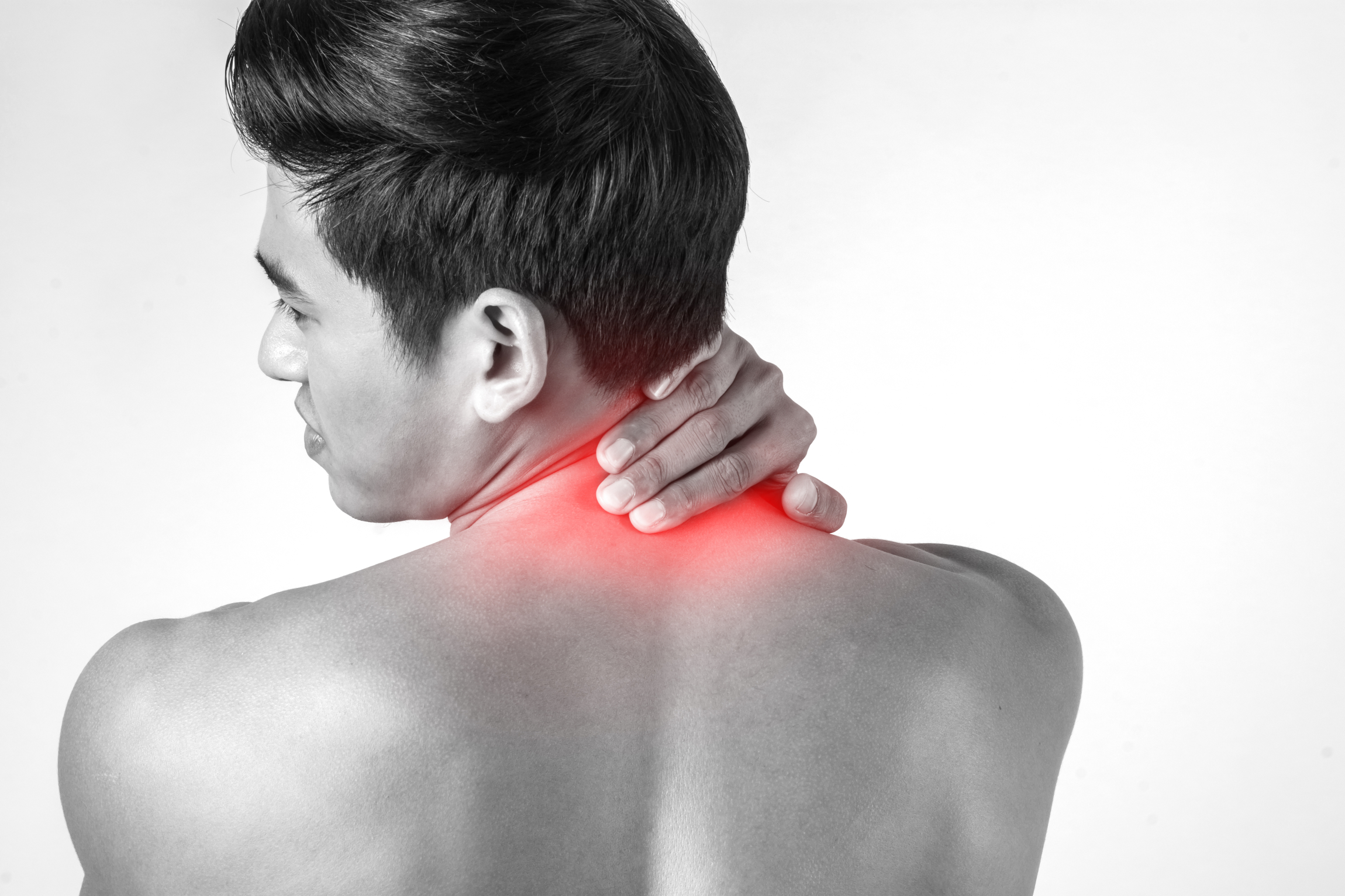
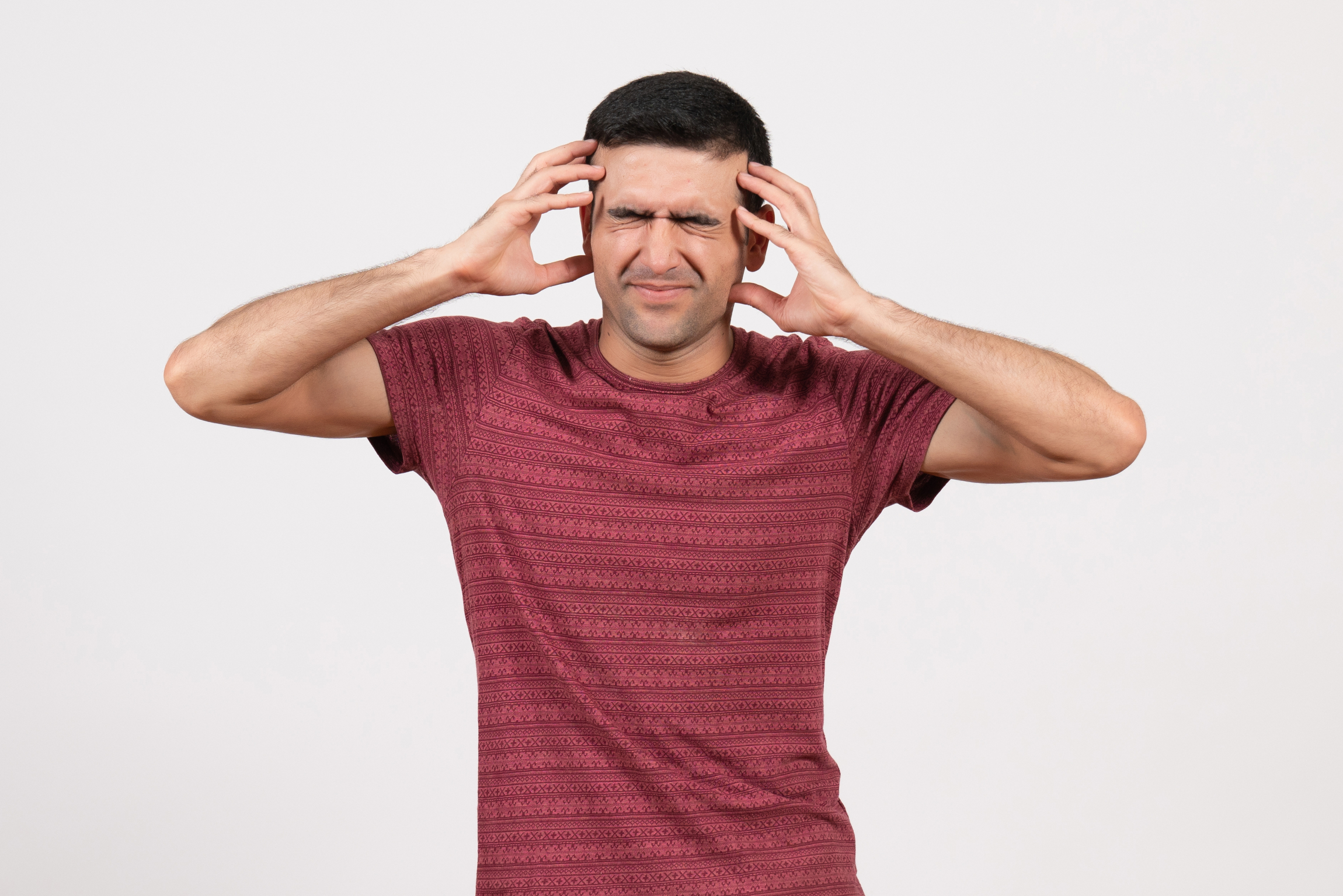

- Stiffness
Difficulty in turning or moving the neck after waking up or after prolonged inactivity. - Sharp or stabbing pain
Local intense pain, which may resemble a stabbing pain, is usually triggered during certain movements - General soreness
Overall blunt or soreness in the neck and upper shoulder. - Radiating pain
The pain extends from the neck to the shoulders, arms or upper back, and sometimes to the hands. - Headache
This is divided into cervicogenic and tension headaches. Cervicogenic headache usually occurs at the neck pain side, extend from neck to the occiput, forehead or behind the eye. Tension headache is often experienced on both sides of the neck, extending from the occiput to forehead. - Limited range of motion
Difficulty in turning, tilting or flexing and extending the neck. - Numbness or tingling sensation
Sensory abnormalities in the arms or hands are usually associated with compression of the cervical nerves. - Fatigue or weakness in the arms
May be a sign of nerve root compression, especially if accompanied by numbness or tingling. - Clicking or rubbing sounds (articulatory fricatives)
Clicking or rubbing sounds when moving the neck are usually associated with joint or intervertebral disc problems.
If neck pain persists, is intense, or is accompanied by fever, unexplained weight loss or neurological symptoms, please seek medical advice from a registered medical practitioner or physiotherapist.
" D i a g n o s i s "
Neck pain can be diagnosed through clinical examinations or imaging examinations, such as magnetic resonance imaging (MRI) and x-rays, to detect cervical spine degeneration, displacement, prolapsed intervertebral disc, foraminal stenosis, nerve root compression, or even tumor, infection and other medical conditions.
" T r e a t m e n t s "
Most neck and shoulder pain can be improved through adequate rest, consultation with a doctor and prescription of a short course of non-steroid anti-inflammatory drugs (NSAID), analgesic drugs and physiotherapy.
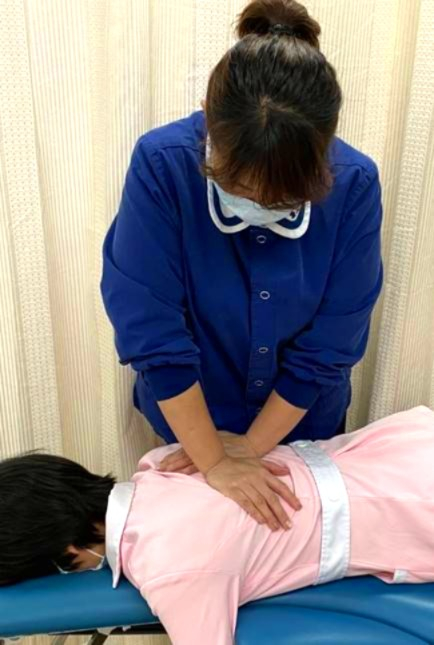
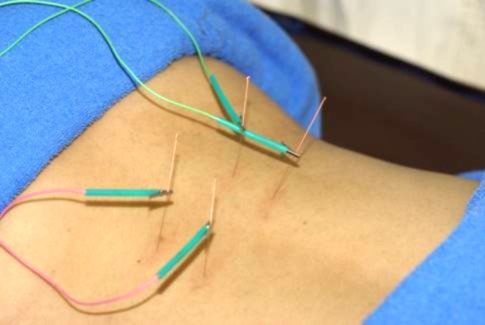 Physiotherapy
Pain relief and anti-inflammatory :
Manual therapy (cervical spine mobilisation)
Traction therapy
Interferential therapy
Shortwave therapy
Ultrasound therapy
Acupuncture
Shockwave therapy
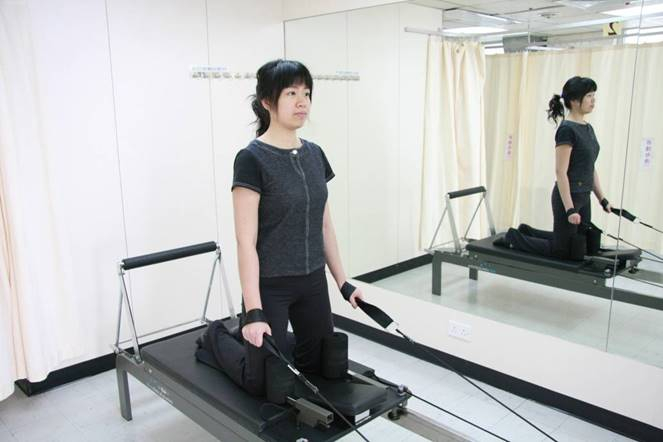
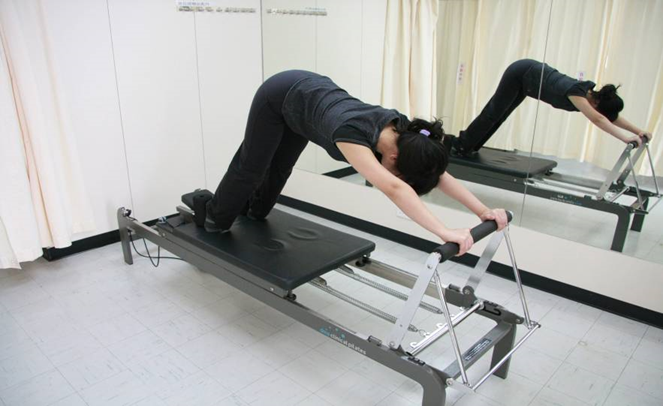
Exercise therapy
Clinical Pilates exercises :
enhance strength, flexibility, balance, posture and coordination. It builds up the deep abdominal muscles and paraspinal muscles to improve the core stability, in order to improve the posture of the patient, and to reduce back muscle imbalance.
" Preventive Measures "
Postural correction :
- Standing posture: look forward, elongate the whole spine, from head to tail, relax shoulder, move scapular inward and downward, prevent pelvis tilted anteriorly.
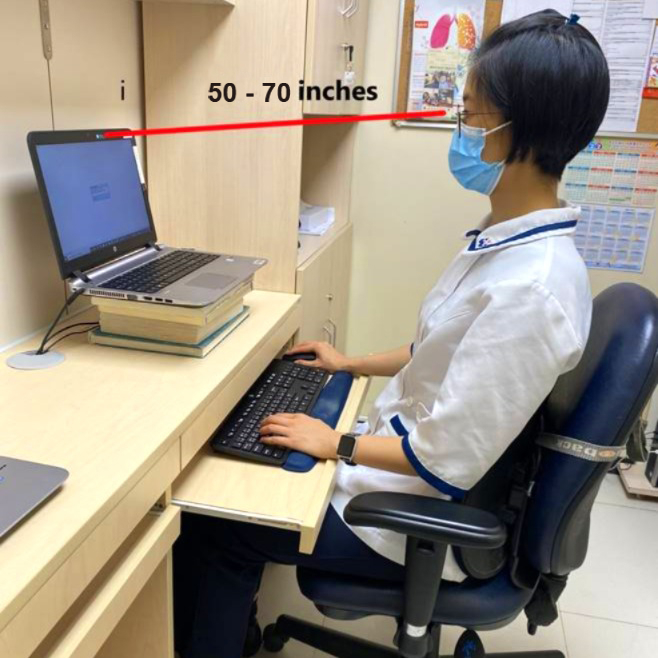
- Sitting posture: sit on chairs with backrests, straighten the lower back, hip and knee keep at 90 degrees, feet put flat on the ground.
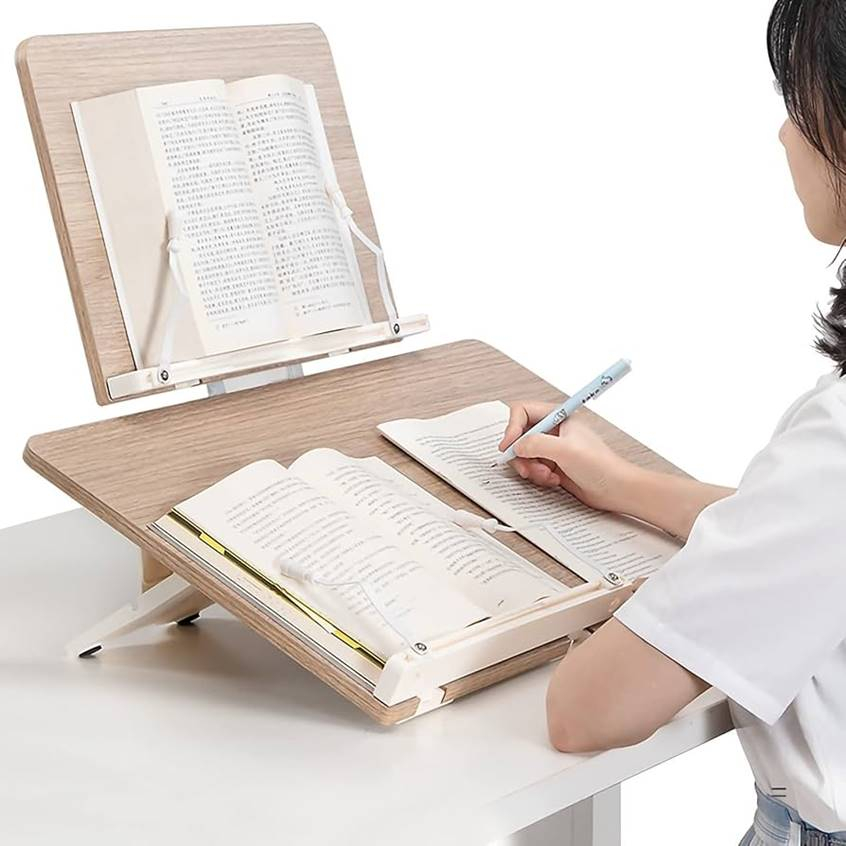
When working on the computer:
- Maintain viewing distance between your eyes and the screen be around 50cm to 70cm. The screen should be placed at eye level, or is 15-20 degrees below the eyes. Avoid direct exposure to light by installing an anti-glare filter.
- The keyboard and mouse should be placed at a height that allows the elbows to be bent between 90 and 100 degrees. Forearm should be supported on an arm rest or table, keep the arms close to the body, and relax the shoulders. An external keyboard and mouse should be available while using laptop, as well as wrist supports.
- Pull the chair forward and sit close to the table. The height of the chair should be adjusted to the same of the calf length. The back of the chair should at least support the lower back to avoid excessive bending of the neck, chest and back.
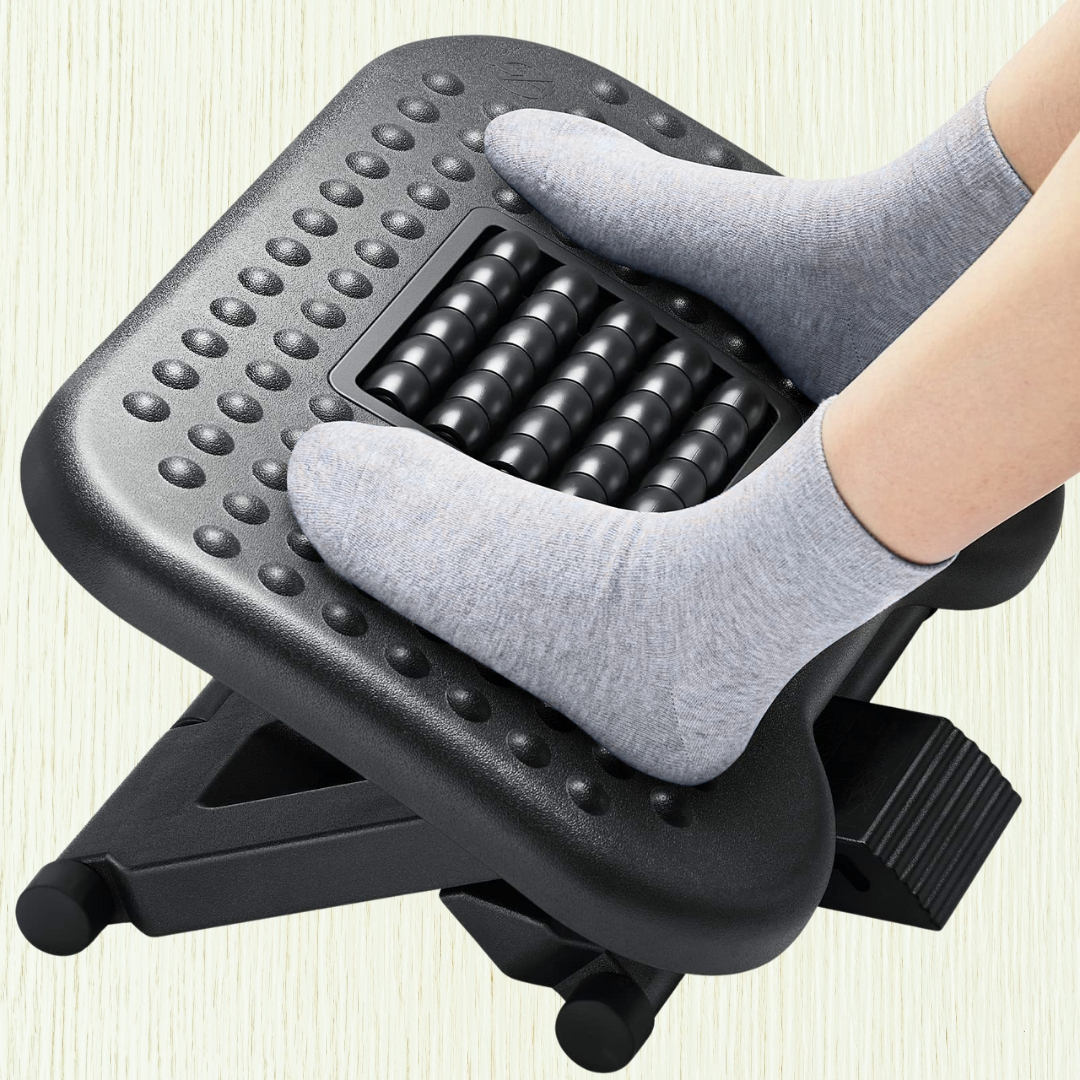
- The chair should be adjusted as according to the height of the table. Footrests should be used when necessary.
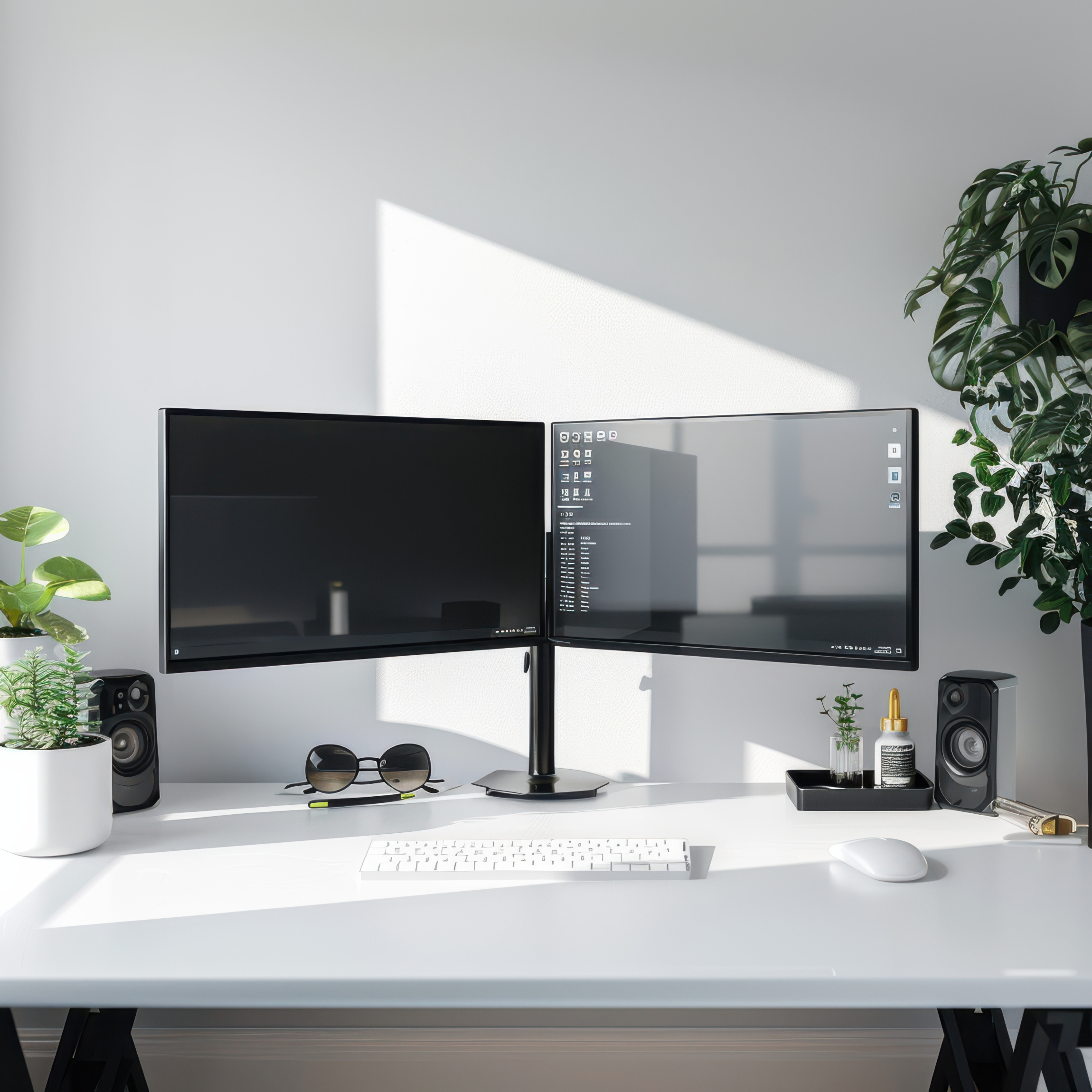
- Use a document holder/dual monitor, and place the documents alternately on the left and right when typing for long periods of time.
- When writing or reading for a long time, consider using an incline board to avoid bending your head too much downward.
" Conclusion "
In reiteration, neck pain can be experienced at any age and should not be taken lightly or ignored. Thus, it is imperative to maintain a healthy lifestyle and take preventative steps. If the pain is severe and persistent and affects your daily activities, you should seek medical advice from a registered medical practitioner or physiotherapist.
The Physiotherapy Department of Evangel Hospital is now launching a treatment program for neck pain. It includes a neck pain care education video, manual therapy, traction therapy, acupuncture, and various electrotherapy like shockwave and shortwave diathermy. Combined with postural correction and exercise therapy like Clinical Pilates exercises to relieve neck and upper back pain, or even upper limb numbness. Weclome to browse and learn more:
Neck and Back Pain Physiotherapy Discounted Package
Physiotherapy Services